The Top 3 Benefits of Trace Minerals and Nutritional Supplements
Trace minerals support essential processes throughout the body, including normal energy metabolism, immune function, oxygen transport, and the activity of many enzymes. Although the body needs them only in small amounts, “small” does not mean unimportant.
Foods should provide the foundation of your mineral intake. When diet, life stage, health needs, or professional guidance indicates that intake may be insufficient, a nutritional supplement can offer a practical way to help fill the gap.
In this guide, we will explain the three most important benefits of trace minerals, where they come from, and what to consider before choosing a supplement.
Table of Contents
- What are trace minerals?
- 1. Trace minerals support enzymes and metabolism
- 2. Trace minerals support normal immune and antioxidant function
- 3. Trace minerals help support oxygen transport and energy production
- Do you need a trace mineral supplement?
- How to choose a trace mineral supplement
- A convenient liquid trace mineral option
- Frequently asked questions
Key Takeaways
- Trace minerals are nutrients the body needs in relatively small amounts, but they perform essential jobs.
- Different trace minerals have different roles. Zinc, copper, iron, iodine, selenium, and manganese are not interchangeable.
- Adequate trace mineral intake supports normal enzyme activity, immune function, antioxidant defenses, oxygen transport, and energy metabolism.
- More is not always better. Excessive intake of certain minerals can be harmful or interfere with other nutrients.
- A varied diet comes first. Supplements are best used to fill a specific nutritional need or add convenience—not to replace nutritious food.
What Are Trace Minerals?
Trace minerals are minerals the body requires in smaller quantities than macrominerals such as calcium, magnesium, sodium, and potassium. Common essential trace minerals include iron, zinc, copper, iodine, selenium, manganese, molybdenum, and fluoride.
The distinction is about the amount required, not the importance of the nutrient. According to MedlinePlus, the body uses minerals for jobs that include supporting bones, muscles, the heart, the brain, enzymes, and hormones.
You can obtain trace minerals from many foods:
- Iron: meat, seafood, beans, lentils, spinach, and fortified grains
- Zinc: oysters, meat, poultry, dairy foods, beans, nuts, and whole grains
- Copper: shellfish, nuts, seeds, organ meats, wheat-bran cereals, and chocolate
- Iodine: iodized salt, seafood, dairy foods, and eggs
- Selenium: seafood, meat, poultry, eggs, dairy foods, grains, and Brazil nuts
- Manganese: whole grains, nuts, legumes, leafy vegetables, and tea
A balanced diet supplies enough for many people. However, food choices, restrictive diets, pregnancy, age, certain health conditions, medications, and nutrient absorption issues may change individual needs.
1. Trace Minerals Support Enzymes and Metabolism

One of the most important benefits of trace minerals is their role as enzyme cofactors. In plain English, many enzymes need a mineral partner before they can do their job.
These enzyme-driven processes help the body:
- release and use energy from food;
- build proteins and DNA;
- form connective tissue;
- produce thyroid hormones;
- transport and use other nutrients; and
- protect cells from oxidative damage.
For example, copper is involved in enzymes related to energy production, iron metabolism, connective-tissue formation, and neurotransmitter synthesis. Zinc supports enzymes involved in protein and DNA synthesis. Iodine is an essential component of thyroid hormones, which help regulate metabolic activity.
Trace minerals may be tiny, but they are not sitting on the nutritional sidelines. They are part of the machinery.
Do Trace Minerals Improve Nutrient Absorption?
Some minerals participate in nutrient metabolism and transport, but it is too broad to claim that every trace mineral supplement automatically improves overall absorption. Mineral absorption depends on the specific nutrient, its chemical form, the amount consumed, other foods or supplements taken with it, and the person’s existing nutrient status.
Certain minerals can also compete with one another when taken in large supplemental amounts. This is one reason to follow label directions and avoid combining multiple high-dose products without professional guidance.
2. Trace Minerals Support Normal Immune and Antioxidant Function

Adequate amounts of zinc, selenium, copper, iron, and other micronutrients are important for normal immune function. These nutrients help support immune-cell development, cellular signaling, and antioxidant systems that protect cells from oxidative stress.
Examples include:
- Zinc supports normal immune-cell function as well as protein and DNA synthesis.
- Selenium is incorporated into selenoproteins involved in antioxidant protection and thyroid hormone metabolism.
- Copper contributes to normal immune-system function and copper-dependent antioxidant enzymes.
- Iron is needed for many cellular processes, including functions used by immune cells.
This does not mean taking more minerals will create a “supercharged” immune system. The goal is nutritional adequacy. The NIH Office of Dietary Supplements notes that deficiencies in certain vitamins and minerals can impair immune function, but routine supplementation in people without a deficiency probably does little to prevent or treat specific infections.
In other words, supplements can help close a real gap; they are not a substitute for sleep, exercise, hydration, a varied diet, or medical care.
3. Trace Minerals Help Support Oxygen Transport and Energy Production

Trace minerals do not provide calories, so they are not “energy” in the way carbohydrates, fat, and protein are. Instead, certain minerals help the body perform the processes required to produce and use energy.
Iron is the clearest example. It is part of hemoglobin, the protein in red blood cells that carries oxygen from the lungs to tissues throughout the body. Iron also forms part of myoglobin, which helps supply oxygen to muscles.
Copper supports iron metabolism and participates in enzymes involved in cellular energy production. Iodine supports the production of thyroid hormones, which help regulate metabolic activity. Manganese also acts as a cofactor for enzymes involved in metabolism.
When a person is deficient in a particular nutrient, correcting that deficiency may improve symptoms associated with it. But taking extra trace minerals will not necessarily produce more energy when nutritional status is already adequate. Persistent fatigue deserves a conversation with a qualified healthcare professional because it can have many possible causes.
Do You Need a Trace Mineral Supplement?
Not everyone needs one. Many people can obtain adequate minerals through a varied diet. A supplement may be worth discussing with a healthcare professional if you:
- follow a restrictive or highly limited diet;
- are pregnant, nursing, or planning a pregnancy;
- have been diagnosed with a nutrient deficiency;
- take medication that can affect nutrient levels or absorption;
- have a health condition that changes your nutritional needs; or
- consistently struggle to eat a varied, nutrient-dense diet.
A broad-spectrum supplement may be convenient for some routines, while a single-mineral product may be more appropriate when a specific need has been identified. The right choice depends on what is actually missing—not which label contains the longest list.
How to Choose a Trace Mineral Supplement
Use these practical criteria when comparing products:
1. Read the Supplement Facts panel
Look for clearly identified ingredients, serving amounts, and directions. Do not rely only on front-label phrases such as “complete,” “advanced,” or “maximum strength.”
2. Consider the serving format
Capsules, tablets, powders, and liquids can all fit a daily routine. A liquid may be preferable for someone who dislikes swallowing pills or wants a ready-to-measure serving. Format alone does not guarantee superior absorption.
3. Avoid unnecessary megadoses
Trace minerals are needed in small amounts, and some have relatively narrow safe intake ranges. More is not automatically better.
4. Check for overlapping products
A multivitamin, standalone mineral, fortified food, and electrolyte product may contain some of the same nutrients. Review the complete daily total to avoid unintentionally doubling up.
5. Ask about medications and health conditions
Minerals can interact with some medications, and certain medical conditions can change how the body handles them. Ask a qualified healthcare professional or pharmacist when in doubt.
A Convenient Liquid Trace Mineral Option
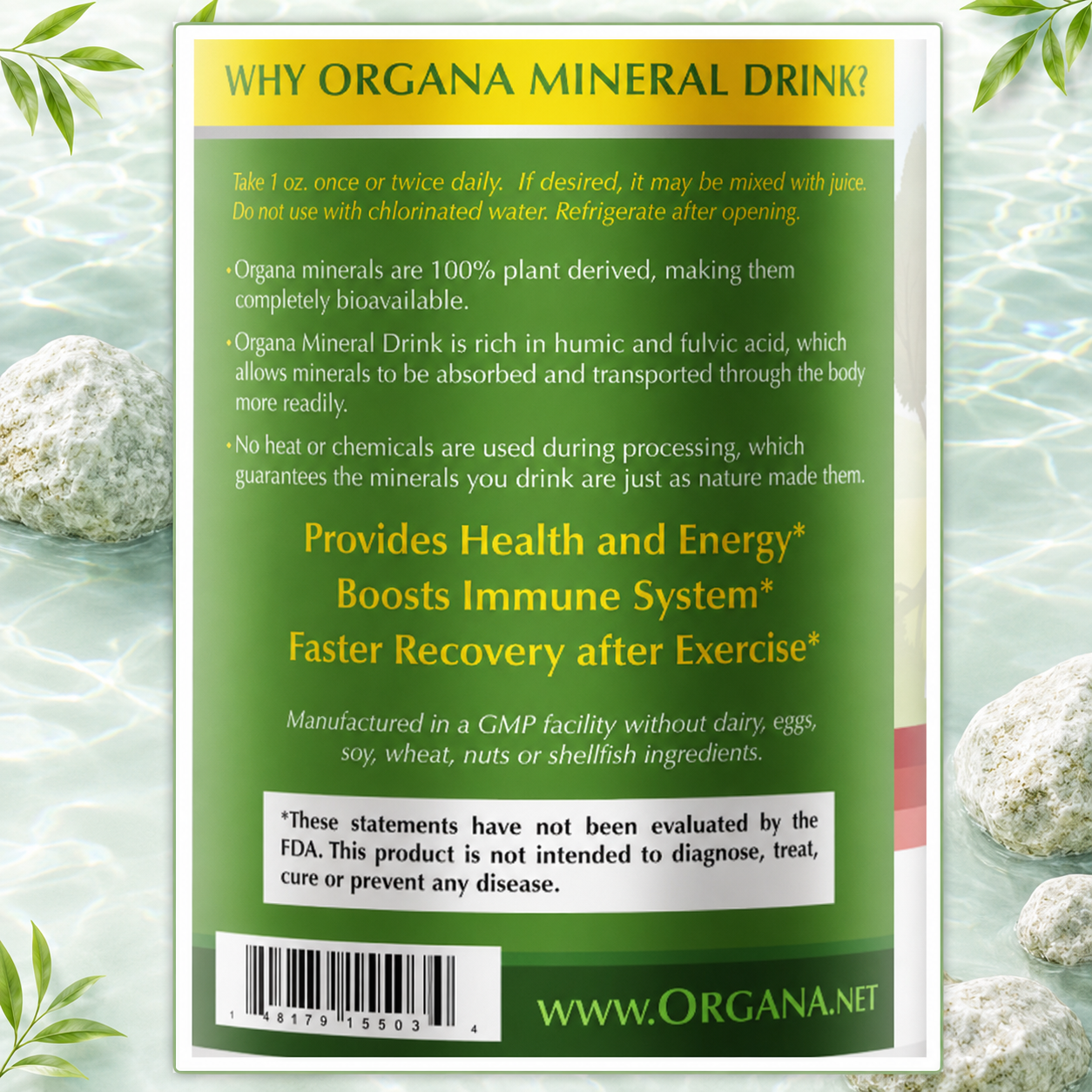
For adults who prefer a broad-spectrum liquid formula, Organa Plant-Derived Trace Mineral Drink combines fulvic acid with more than 70 naturally occurring minerals sourced from ancient plant deposits.
The 32-fluid-ounce bottle provides approximately 32 one-ounce servings. Adults take one fluid ounce—about one capful—daily according to the product label. It is available in Wildberry Pomegranate and Peach Mango flavors.
It is important to distinguish a broad naturally occurring mineral spectrum from the smaller group of minerals officially recognized as essential nutrients for humans. The product’s “70+” description does not mean the body has an established dietary requirement for every element present.
If a flavored liquid serving fits your routine better than another handful of pills, explore Organa Liquid Trace Minerals and review the full label before use.
Frequently Asked Questions
What are the main benefits of trace minerals?
Adequate trace mineral intake supports normal enzyme activity and metabolism, immune and antioxidant function, oxygen transport, thyroid hormone production, connective-tissue formation, and other essential processes. Each mineral has its own role, so benefits should not be generalized to every trace mineral.
What is the difference between trace minerals and macrominerals?
The body needs macrominerals, such as calcium, magnesium, sodium, and potassium, in larger quantities. It needs trace minerals, such as iron, zinc, copper, iodine, selenium, and manganese, in smaller quantities. Both groups are important.
Can I get enough trace minerals from food?
Many people can meet their needs through a varied diet containing protein foods, seafood, dairy foods, whole grains, legumes, nuts, seeds, fruits, and vegetables. Individual needs and food choices vary.
Is a liquid trace mineral supplement better than capsules?
Not automatically. Liquids can be easier to measure and take, but absorption depends on the individual mineral, dose, formulation, diet, and the person using it. Choose the format you can use consistently and safely.
Can I take several mineral supplements together?
Sometimes, but high amounts of certain minerals can compete for absorption or cause adverse effects. Check all product labels for overlapping ingredients and ask a healthcare professional if you use several supplements.
How long does it take for trace mineral supplements to work?
There is no universal timeline. It depends on the mineral, the person’s starting nutrient status, the dose, and the reason for supplementation. A supplement may not produce a noticeable feeling when it is simply helping maintain adequate intake.
Who should speak with a healthcare professional before taking trace minerals?
Anyone who is pregnant or nursing, takes medication, has a medical condition, is considering a supplement for a child, or suspects a deficiency should seek individualized guidance before use.
The Bottom Line
The top benefits of trace minerals come from the essential roles they play behind the scenes: helping enzymes and metabolism function normally, supporting immune and antioxidant systems, and contributing to oxygen transport and cellular energy production.
The best approach is food first, followed by thoughtful supplementation when it makes sense for your needs. Choose transparent labels, follow serving directions, and remember that the goal is the right amount—not the greatest amount.
These statements have not been evaluated by the Food and Drug Administration. This product and content are not intended to diagnose, treat, cure, or prevent any disease. Consult a qualified healthcare professional before starting a dietary supplement, especially if you are pregnant or nursing, take medication, have a medical condition, or are considering a supplement for a child.