Top 10 Benefits & Uses of Colloidal Copper
10 Colloidal Copper Benefits, Uses, Dosage, Risks & FAQs (2026 Guide)
Welcome to the ultimate guide on colloidal copper. Whether you're new to trace minerals or looking to optimize your wellness routine, this comprehensive resource covers everything you need to know about colloidal copper benefits, uses, dosage considerations, FAQs, and how it compares to other essential nutrients.

Table of Contents
- What Is Colloidal Copper?
- Why Is Copper Important?
- Top 10 Colloidal Copper Benefits
- Signs You May Not Be Getting Enough
- Copper Deficiency vs Low Copper Intake
- Recommended Daily Copper Intake
- Can You Get Too Much Copper?
- Who May Consider Copper Supplementation?
- Foods Naturally High In Copper
- Copper Dosage & Daily Intake
- Copper vs Zinc & Iron
- Colloidal Copper vs Copper Glycinate vs Copper Sulfate
- How NutriNoche Colloidal Copper Is Made
- Scientific Research On Copper
- Frequently Asked Questions
What Is Colloidal Copper?
Quick Answer
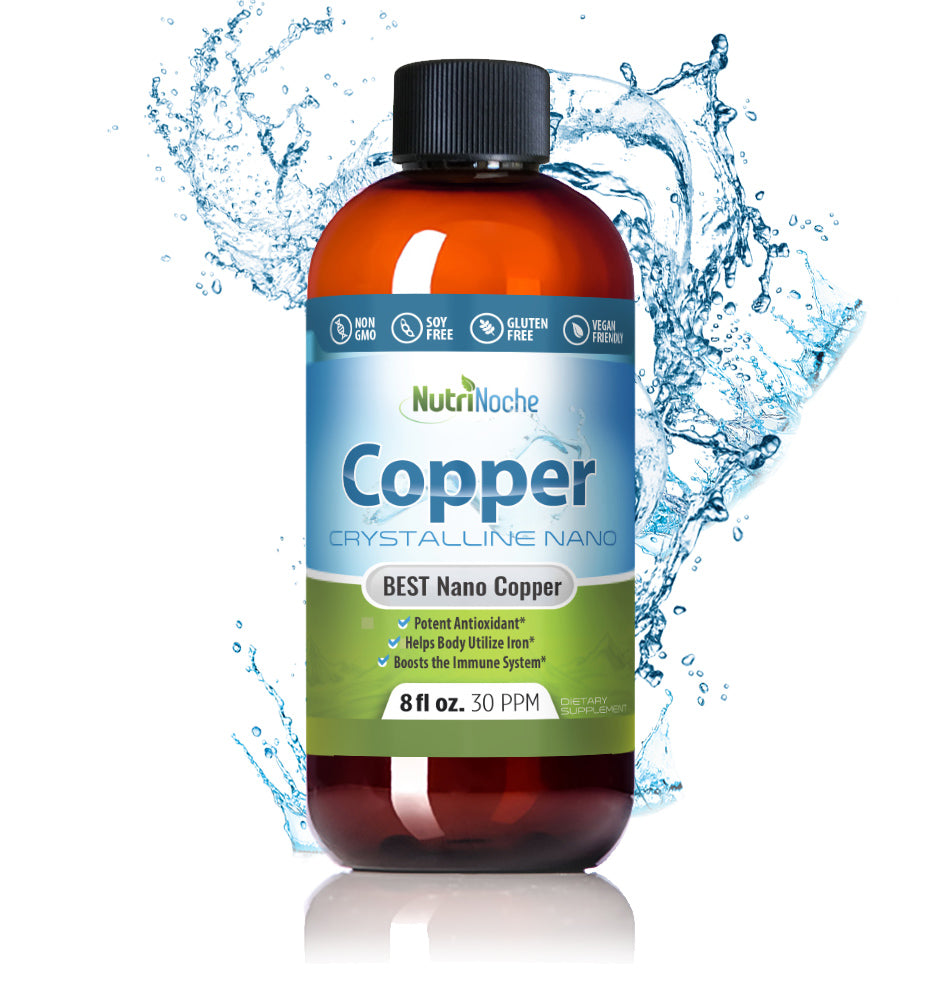
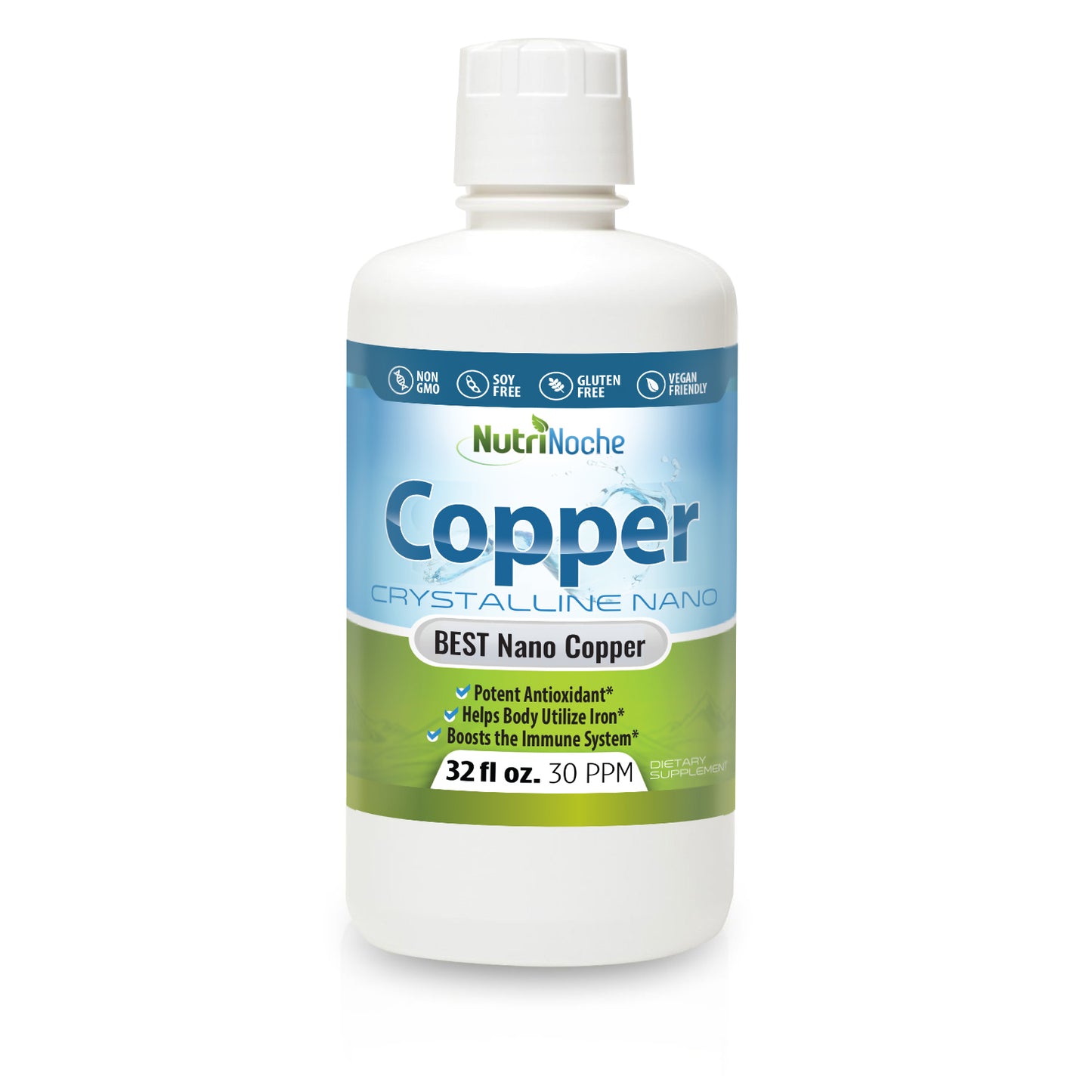
Colloidal copper is a liquid dietary supplement made of microscopic, pure copper particles suspended in ultra pure water. It is used to support overall wellness by providing a highly bioavailable form of copper, an essential trace mineral required for numerous bodily functions.
Unlike standard copper supplements that often come in pill or capsule form and rely on copper salts, true colloidal copper consists of pure, elemental copper nanoparticles. The manufacturing process involves suspending these particles in pure water, creating a solution that is easily absorbed and utilized by the body.
People use colloidal copper to support their daily nutritional needs. Copper is considered an essential trace mineral because the human body cannot produce it naturally; it must be obtained through diet or supplementation. The NIH Office of Dietary Supplements recognizes copper as necessary for energy production, iron metabolism, connective tissue formation, and antioxidant defense.
Source: NIH Office of Dietary Supplements Copper Fact Sheet
Key Takeaways
- Colloidal copper is a liquid supplement offering highly absorbable microscopic copper particles.
- Copper is an essential trace mineral vital for overall wellness and daily functioning.
- It plays a key role in supporting cellular energy production (ATP).
- Copper is necessary for proper iron metabolism and utilization in the body.
- It helps maintain healthy connective tissues, including collagen and elastin.
- Enzyme activity relies heavily on adequate copper levels to function normally.
- Copper supports antioxidant processes that protect cells from oxidative stress.
- Balancing copper with other minerals, especially zinc and iron, is crucial for optimal nutrition.
- Liquid colloidal copper offers an alternative to traditional capsules and food sources.
- NutriNoche provides a pure, additive-free colloidal copper option made in the USA.
Why Is Copper Important?
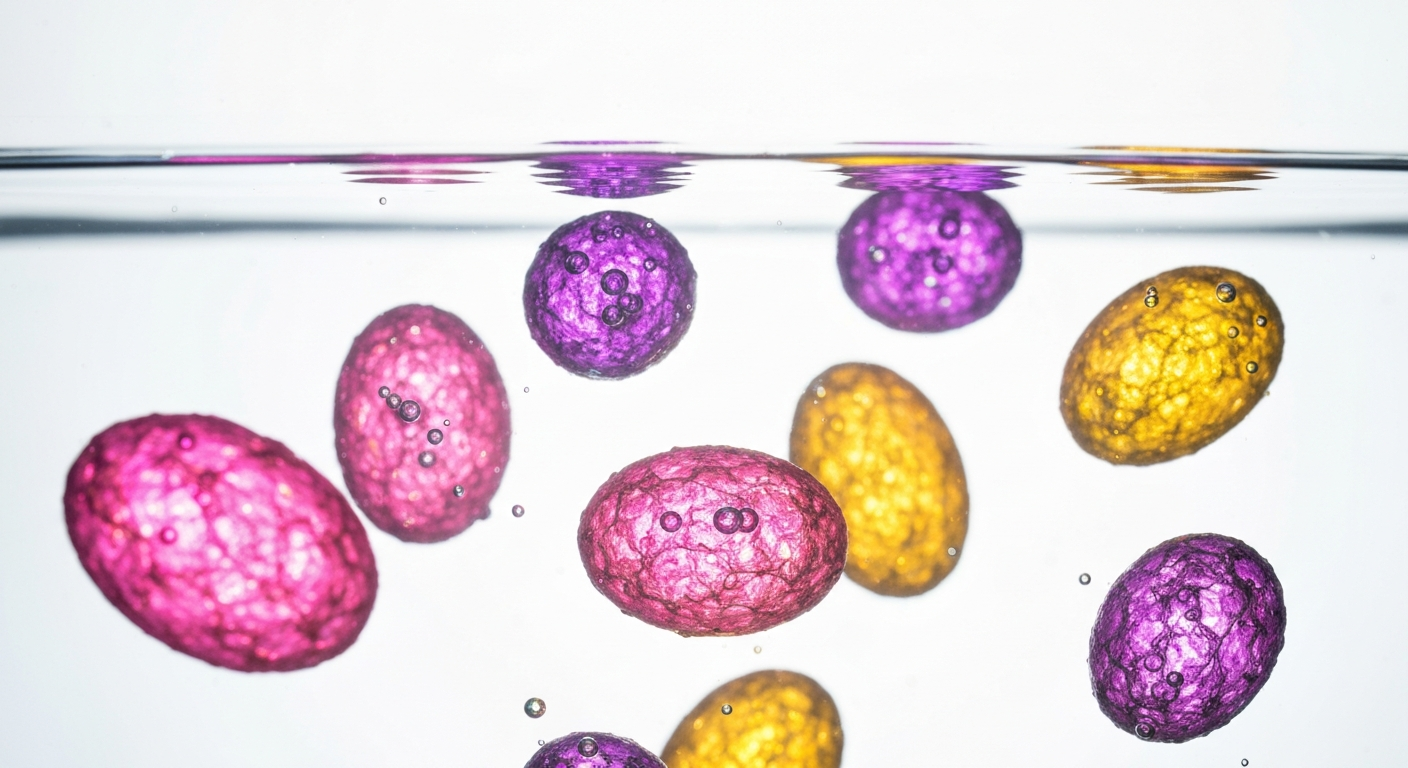
Trace minerals are nutrients that the body needs in very small amounts, yet they are absolutely critical for maintaining health. Copper is one of these essential trace minerals. Despite being required in minute quantities, its impact on our physiology is massive.
Copper's primary role in the body revolves around its function as a cofactor for numerous crucial enzymes. These cuproenzymes are involved in essential biological processes. For instance, copper is intimately involved in iron metabolism. Without sufficient copper, the body struggles to absorb and utilize iron effectively, which can impact oxygen transport and energy levels.
Furthermore, copper is vital for the formation of connective tissue. It helps cross-link collagen and elastin, the structural proteins that give strength and elasticity to our skin, blood vessels, and joints. Additionally, copper is a key player in cellular energy production, supporting the mitochondria in generating ATP, the energy currency of our cells.
Copper is an essential trace mineral involved in normal energy production, iron metabolism, connective tissue formation, and antioxidant enzyme activity.
Top 10 Colloidal Copper Benefits
1. Supports Energy Production

One of the most significant colloidal copper benefits is its role in supporting cellular energy production. Copper is a vital component of cytochrome c oxidase, an enzyme essential for the final step of the electron transport chain in our mitochondria. This process is how our cells produce adenosine triphosphate (ATP), the primary energy source for our bodies. By contributing to normal energy-yielding metabolism, copper helps maintain vitality and supports your body's daily energy needs. The NIH notes that copper is involved in energy production as part of normal enzyme function. If you are looking to maintain your daily vitality, ensuring your trace mineral intake is balanced can be a supportive step.
2. Supports Iron Utilization
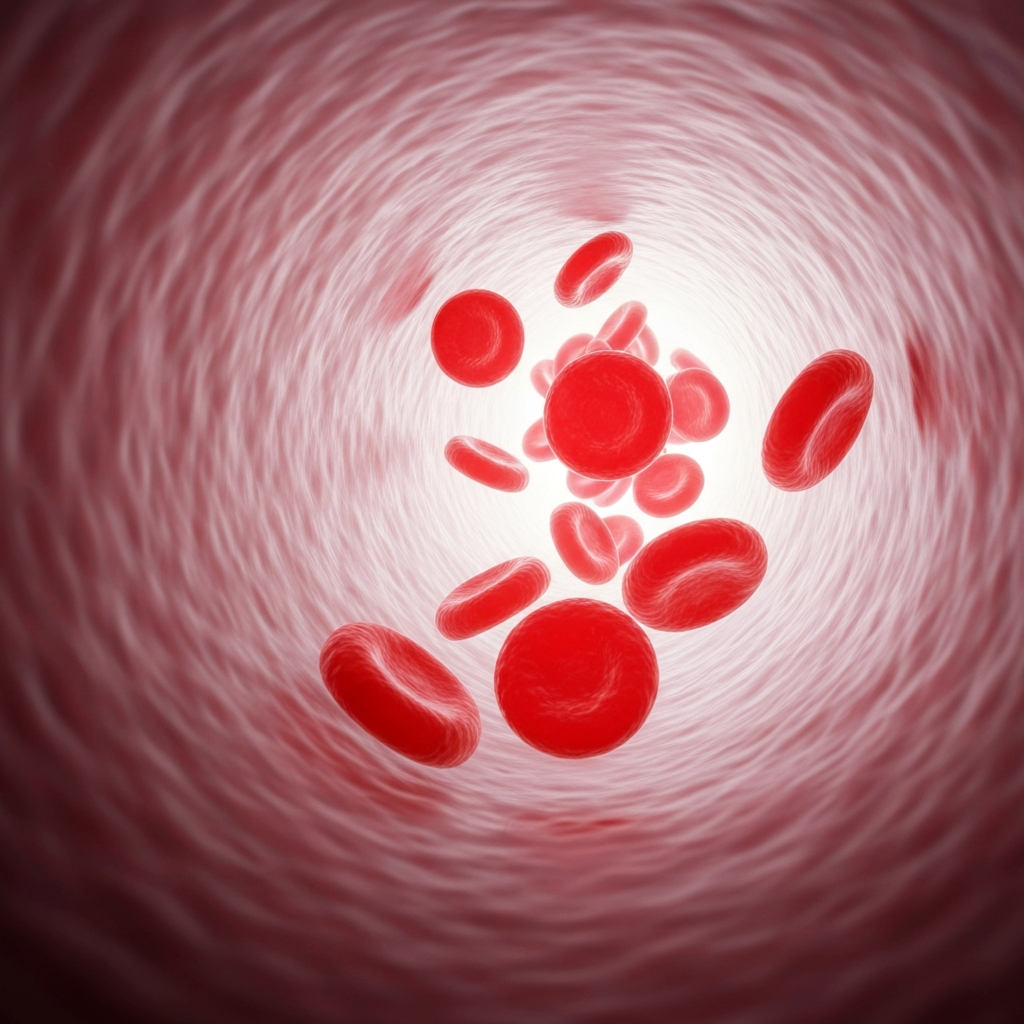
Copper and iron have a synergistic relationship in the body. Copper is necessary for the proper metabolism, transport, and utilization of iron. It is a key component of ceruloplasmin, a protein that converts iron into a form that can be transported by transferrin to tissues where it is needed, such as bone marrow for red blood cell formation. Taking a copper supplement can support normal iron transport in the body, ensuring that the iron you consume from your diet is effectively utilized.
Sources: NIH Office of Dietary Supplements; PubMed research on iron-copper interactions
3. Supports Connective Tissue Formation
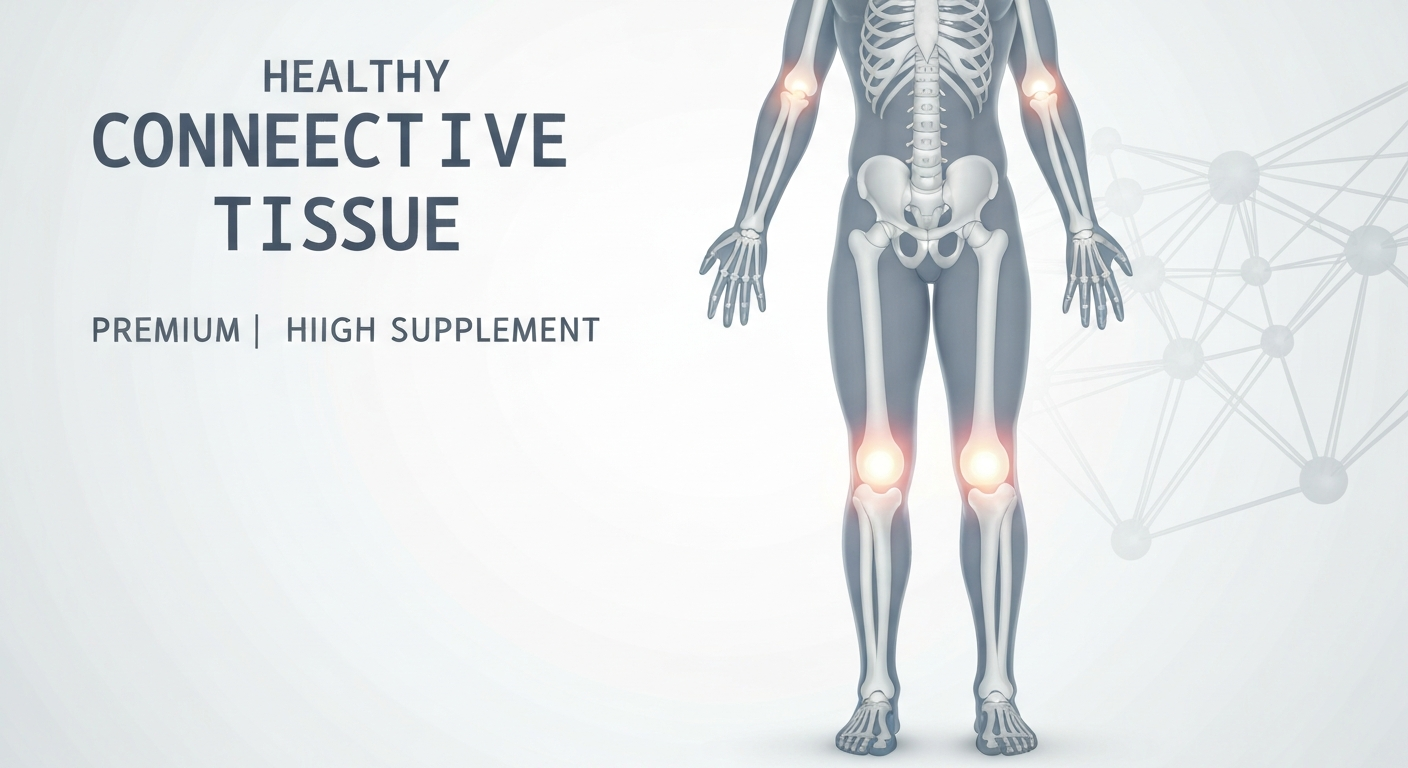
Maintaining healthy skin, joints, and blood vessels requires strong connective tissue. Copper plays a crucial role here by supporting the enzyme lysyl oxidase. This enzyme is responsible for the cross-linking of collagen and elastin, the structural proteins that provide elasticity and strength to tissues. By supporting normal connective tissue formation, colloidal copper uses extend to helping maintain the structural integrity of your body, supporting a healthy and active lifestyle.
Sources: PubMed research on copper, lysyl oxidase, collagen, and elastin cross-linking
4. Supports Enzyme Activity

Beyond energy and connective tissue, copper acts as a critical cofactor for numerous other enzymes (cuproenzymes) that regulate various physiological functions. These enzymes are involved in processes ranging from pigment formation (melanin) to the synthesis of neurotransmitters. By ensuring you have adequate dietary copper, you are supporting the normal function of these complex enzymatic pathways that keep your body's systems operating smoothly.
5. Supports Antioxidant Function

Oxidative stress, caused by free radicals, can impact overall wellness. Copper supports the body's natural antioxidant defenses. It is an essential component of copper-zinc superoxide dismutase (CuZnSOD), a powerful antioxidant enzyme that helps neutralize superoxide radicals. By contributing to the protection of cells from oxidative stress, a liquid copper supplement supports your body's resilience and overall cellular health.
Source: NIH Office of Dietary Supplements
Ready to Support Your Daily Wellness?
NutriNoche Colloidal Copper is 99.99% pure, highly bioavailable, and made in the USA without any artificial fillers or binders.
Shop Pure Colloidal Copper6. Supports Nervous System Function

The nervous system relies on efficient communication between cells. Copper is involved in the synthesis of myelin, the protective sheath that surrounds nerves and facilitates rapid signal transmission. Additionally, copper-dependent enzymes play a role in the production and metabolism of important neurotransmitters, such as dopamine and norepinephrine. Therefore, maintaining adequate copper levels supports the normal functioning of the nervous system.
7. Supports Cardiovascular Wellness
Cardiovascular wellness is supported by maintaining strong and elastic blood vessels. Because copper is essential for the cross-linking of elastin and collagen, it directly contributes to the structural integrity of the heart and blood vessels. While more research is always ongoing, ensuring a balanced intake of essential trace minerals like copper is a recognized part of supporting overall cardiovascular health and normal circulation.
8. Supports Healthy Skin Appearance

Copper's involvement in collagen production and melanin synthesis makes it a popular element in discussions about skin health. Melanin is the pigment that gives color to our skin, hair, and eyes. By supporting normal hair and skin pigmentation, as well as contributing to the maintenance of normal connective tissues, colloidal copper can be part of a holistic approach to supporting a healthy, vibrant appearance from the inside out.
9. Complements Other Trace Minerals

Minerals in the body rarely work in isolation; they exist in a delicate balance. Supplementing with colloidal copper can help maintain the crucial balance with other minerals, particularly zinc. High intakes of zinc can interfere with copper absorption, potentially leading to suboptimal levels. By mindfully including a copper trace mineral supplement in your routine, you help ensure that your overall mineral profile remains balanced and supportive of your health goals.
10. Supports Overall Nutritional Wellness

Ultimately, the human body is a complex system that requires a full spectrum of nutrients to thrive. Modern agricultural practices and dietary habits can sometimes leave gaps in our micronutrient intake. Incorporating a high-quality liquid copper supplement helps fill potential nutritional gaps, ensuring your body has the essential building blocks it needs to support normal, healthy function across all its interconnected systems.
Signs You May Not Be Getting Enough Copper
While severe copper shortages are relatively rare, suboptimal levels can occur due to various factors. Low dietary intake of copper-rich foods is a primary reason. Additionally, excessive zinc supplementation can compete with copper for absorption in the digestive tract, leading to lowered copper levels over time.
Restrictive diets or certain digestive issues that affect nutrient absorption can also impact your copper status. Signs that you might benefit from evaluating your copper intake include seeking to maintain normal energy levels, supporting healthy skin or hair pigmentation, or seeking to support your overall connective tissue and bone wellness. Always focus on a balanced diet and consult with a wellness professional if you have specific nutritional concerns.
Copper Deficiency vs Low Copper Intake
Many people use the terms “copper deficiency” and “low copper intake” interchangeably, but they are not the same thing.
Low copper intake simply means a person’s diet may not consistently provide optimal amounts of copper-rich foods. Copper deficiency is a medical condition that should only be diagnosed by a qualified healthcare professional.
Factors that may influence copper status include restrictive diets, digestive issues that affect nutrient absorption, and long-term use of high-dose zinc supplements. Maintaining a balanced diet rich in trace minerals can help support healthy nutritional status.
| Term | Description |
|---|---|
| Low Copper Intake | Diet may not consistently provide optimal copper levels from copper-rich foods. |
| Copper Deficiency | A medical condition that requires professional evaluation, testing, and guidance. |
Recommended Daily Copper Intake
Copper needs vary by age and life stage. For most adults, the Recommended Dietary Allowance (RDA) is 900 micrograms (mcg) per day. Pregnant and breastfeeding women typically have higher recommended intakes. This information is provided for education only and should not replace guidance from a qualified healthcare professional.
| Group | Recommended Intake |
|---|---|
| Adult Men | 900 mcg/day |
| Adult Women | 900 mcg/day |
| Pregnancy | 1,000 mcg/day |
| Breastfeeding | 1,300 mcg/day |
Source: NIH Office of Dietary Supplements Copper Fact Sheet
Can You Get Too Much Copper?
Yes. Copper is essential, but more is not always better. Excessive copper intake from supplements may contribute to unwanted side effects, and people with certain medical conditions should be especially cautious with copper supplementation.
Most healthy adults can meet their copper needs through a balanced diet that includes copper-rich foods. If you choose to use a copper supplement, follow the product label directions and avoid combining multiple copper-containing products unless advised by a healthcare professional.
Individuals with liver concerns, Wilson disease, or questions about mineral balance should speak with a qualified healthcare professional before beginning any copper supplement.
Sources: NIH Office of Dietary Supplements; educational safety guidance on copper intake
Who May Consider Copper Supplementation?
Copper supplementation is not necessary for everyone. Many people get adequate copper from food. However, some individuals may want to evaluate their copper intake as part of a broader trace mineral wellness routine.
- People who do not regularly consume copper-rich foods such as nuts, seeds, shellfish, organ meats, mushrooms, lentils, or dark chocolate.
- People following highly restrictive diets that limit a wide range of mineral-rich foods.
- People using high-dose zinc supplements under professional guidance, since zinc can interfere with copper absorption.
- People who want a simple liquid trace mineral option to support overall nutritional wellness.
This section is educational and should not be used to self-diagnose a deficiency. Copper deficiency is a medical issue that should be evaluated by a healthcare professional.
Foods Naturally High In Copper
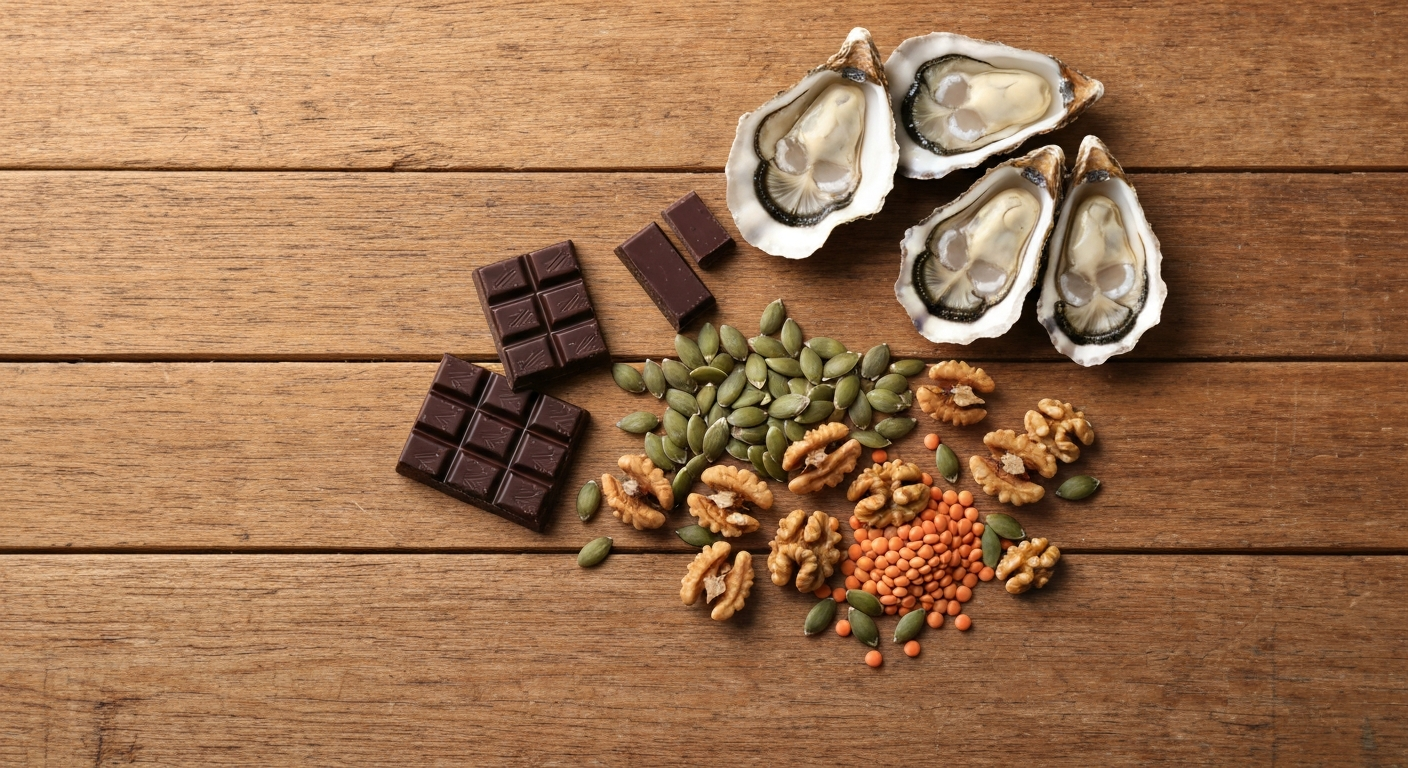
Diet should always be the first line of defense for nutrient intake. Several foods are naturally high in copper. Below is a table highlighting some excellent dietary sources to help you meet your needs.
| Food | Serving Size | Copper Content (approx.) |
|---|---|---|
| Beef Liver | 3 oz | 12 mg |
| Oysters | 3 oz | 4.8 mg |
| Unsweetened Dark Chocolate | 1 oz | 0.9 mg |
| Cashews | 1 oz | 0.6 mg |
| Sunflower Seeds | 1 oz | 0.5 mg |
| Lentils (cooked) | 1/2 cup | 0.2 mg |
| Mushrooms (Shiitake, cooked) | 1/2 cup | 0.6 mg |
Incorporating foods like liver, shellfish, nuts, seeds, mushrooms, dark chocolate, and lentils into your meals can significantly boost your dietary copper intake. However, for those who struggle to consume these foods regularly, a liquid copper supplement can be a convenient alternative.
Copper Dosage & Daily Intake
Copper is an essential trace mineral, which means the body only needs it in small amounts. The Recommended Dietary Allowance (RDA) for most adults is about 900 micrograms (mcg) per day. Copper needs may vary based on age, diet, lifestyle, and individual health considerations.
Because copper works closely with zinc and iron, balance matters. People who take higher amounts of zinc for long periods may want to pay closer attention to copper intake because zinc can interfere with copper absorption. Always follow the serving directions on your supplement label and speak with a qualified healthcare professional before changing your supplement routine, especially if you are pregnant, nursing, taking medication, or managing a health condition.
Quick Dosage Note
More is not always better with trace minerals. Copper should be used thoughtfully and in appropriate amounts as part of a balanced wellness routine.
Copper vs Zinc

Copper and zinc are intimately connected in the body. They often compete for absorption in the small intestine. Let's compare these two essential trace minerals to understand why balance matters.
| Feature | Copper | Zinc |
|---|---|---|
| Primary Role | Energy production, iron metabolism, connective tissue | Immune function, DNA synthesis, cell division |
| Antioxidant Function | Component of CuZnSOD enzyme | Component of CuZnSOD enzyme |
| Absorption Relationship | High zinc can block copper absorption | High copper can theoretically impact zinc |
Because high doses of zinc can stimulate the production of a protein called metallothionein in the intestinal cells, which binds copper and prevents its absorption, long-term zinc supplementation without adequate copper can lead to lowered copper levels. Maintaining a proper ratio between these two minerals is essential for overall wellness.
Copper vs Iron
Iron is well-known for its role in transporting oxygen in the blood, but its relationship with copper is often overlooked. Here is how they compare and interact.
| Feature | Copper | Iron |
|---|---|---|
| Primary Function | Iron metabolism, connective tissue, energy | Oxygen transport (hemoglobin), energy production |
| Interdependence | Required to oxidize iron for transport | Relies on copper for mobilization from stores |
| Suboptimal Levels | Can impact normal energy and vitality | Can impact normal oxygen transport |
Without adequate copper, iron cannot be as efficiently transported to where it is needed, such as for the normal formation of red blood cells. Therefore, nutritional balance is key; both minerals matter and depend on each other for normal physiological function.
Colloidal Copper vs Copper Glycinate vs Copper Sulfate
Not all copper supplements use the same form of copper. Understanding the difference can help shoppers choose the format that best fits their routine and preferences.
| Form | Description | Common Use |
|---|---|---|
| Colloidal Copper | Microscopic copper particles suspended in ultra pure water. | Liquid supplementation and daily trace mineral support. |
| Copper Glycinate | Copper bound to the amino acid glycine. | Capsule and tablet supplements. |
| Copper Sulfate | A copper salt form used in certain food, supplement, agricultural, and industrial applications. | Often used where a copper salt is appropriate for the intended formulation. |
Each form provides copper, but the delivery method and formulation can differ significantly. Consumers should choose the format that best fits their wellness routine and always follow product directions.
Colloidal Copper vs Capsules vs Food Sources
When deciding how to add copper to your routine, you have several options. Here is a comparison to help you choose.
| Source Type | Pros | Cons |
|---|---|---|
| Food Sources | Natural, contains co-factors, balanced | Can be difficult to track exact intake, dietary restrictions |
| Capsules/Pills | Convenient, precise dosage | Often contain fillers/binders, variable absorption, usually copper salts |
| Colloidal Copper | Highly bioavailable, easy to take, pure elemental copper | Requires measuring liquid, distinct taste for some |
Scientific Research On Copper
Educational research underscores the necessity of copper for human health. According to resources from the NIH Office of Dietary Supplements and the Harvard Nutrition Source, copper is unequivocally recognized as an essential trace mineral. Studies published in PubMed frequently explore copper's role in enzymatic processes, emphasizing its requirement for cellular energy production (ATP) and antioxidant defenses via superoxide dismutase.
The USDA also highlights the importance of dietary copper intake, noting that a balanced diet is crucial for maintaining optimal levels. Research continues to investigate how copper interacts with other nutrients, particularly the well-documented competitive absorption relationship with zinc, reinforcing the need for balanced mineral supplementation.
Copper is an essential nutrient that supports normal cuproenzyme activity, including enzymes involved in energy metabolism, antioxidant defense, connective tissue formation, and iron transport.
How To Add Copper To Your Wellness Routine
Adding copper to your wellness routine can be straightforward. The foundation should always be a balanced diet rich in whole foods like nuts, seeds, and leafy greens. If you choose to supplement, consistency is key.
When using a liquid copper supplement, follow the manufacturer's suggested use. It is often recommended to take it on an empty stomach or separate from zinc supplements to ensure optimal absorption. Incorporating it into a morning routine can help establish a consistent habit that supports your lifestyle.
How NutriNoche Colloidal Copper Is Made
NutriNoche Colloidal Copper is made in the United States using ultra pure water and 99.99% pure copper. Every batch is produced in a cGMP-compliant facility with quality control procedures designed to support consistency and purity.
Unlike many traditional copper supplements that rely on copper salts, fillers, or binders, NutriNoche Colloidal Copper contains only ultra pure water and pure copper particles with no added sugars, flavors, colors, or preservatives.
Our goal is simple: provide a clean, highly bioavailable source of copper that supports daily nutritional wellness without unnecessary additives.
Why Choose NutriNoche Colloidal Copper?

When selecting a trace mineral supplement, quality and purity matter. NutriNoche Colloidal Copper is crafted with uncompromising standards to support your wellness journey.
- 99.99% Pure Copper
- Ultra Pure Water
- No Fillers or Binders
- No Salts or Sugars
- Vegan Friendly
- Non-GMO
- Made In USA
- cGMP-Compliant Facility
NutriNoche provides a clean, highly bioavailable liquid copper supplement designed to support overall wellness naturally, without unnecessary additives.
People Also Ask
What does copper do for the body?
Copper acts as a cofactor for essential enzymes, supporting energy production, iron metabolism, connective tissue formation, and antioxidant defenses.
What is colloidal copper used for?
It is used as a dietary supplement to support overall wellness, providing a highly absorbable form of the essential trace mineral copper to help meet daily nutritional needs.
Can copper and zinc be taken together?
While they are both essential, high doses of zinc can compete with copper for absorption. It is often recommended to take them at different times of the day or ensure they are balanced appropriately.
What foods contain copper?
Foods naturally high in copper include beef liver, oysters, shellfish, dark chocolate, cashews, sunflower seeds, lentils, and certain mushrooms.
How much copper do adults need daily?
The Recommended Dietary Allowance (RDA) for adult men and women is typically around 900 micrograms (mcg) per day, though needs can vary.
Can you get too much copper?
Yes. Copper is essential, but excessive intake from supplements may cause unwanted effects. Follow label directions and speak with a qualified healthcare professional if you have liver concerns, Wilson disease, or questions about your mineral intake.
Who may consider a copper supplement?
People who do not regularly eat copper-rich foods, follow restrictive diets, or use high-dose zinc supplements may want to evaluate their copper intake. Supplementation should be approached thoughtfully and does not replace a balanced diet.
Is colloidal copper safe?
When used as directed and produced by a reputable manufacturer following cGMP standards, colloidal copper is generally considered safe for healthy adults supporting their daily mineral intake.
What happens if you don't get enough copper?
Inadequate copper intake can lead to suboptimal enzyme function, potentially impacting energy levels, iron utilization, and connective tissue maintenance over time.
Is liquid copper better than capsules?
Liquid colloidal copper often offers higher bioavailability because the nanoparticles are suspended in water, allowing for easier absorption compared to solid capsules that must be broken down by the digestive system.
Explore Other Trace Minerals
References
- National Institutes of Health (NIH) Office of Dietary Supplements: Copper Fact Sheet for Health Professionals
- PubMed Central (PMC): Various studies on cuproenzymes and copper metabolism
- USDA FoodData Central: Nutritional profiles of copper-rich foods
- Harvard T.H. Chan School of Public Health: The Nutrition Source - Copper
- PubMed: Copper, lysyl oxidase, and extracellular matrix protein cross-linking
- PubMed: Molecular mediators governing iron-copper interactions
Frequently Asked Questions
Does copper give you energy?
Copper supports the enzymes in the mitochondria responsible for producing ATP, the body's primary energy molecule. By supporting normal energy-yielding metabolism, it contributes to maintaining healthy energy levels.
How long does it take for copper supplements to work?
Results vary by individual. Some may notice support for their overall wellness within a few weeks of consistent use, while for others, it may take longer to replenish trace mineral stores.
Should I take copper on an empty stomach?
Taking colloidal copper on an empty stomach can often maximize absorption, as it prevents competition with other minerals and compounds found in food.
Does copper help with collagen?
Yes, copper is a necessary cofactor for the enzyme lysyl oxidase, which plays a critical role in the cross-linking of collagen and elastin, supporting healthy connective tissues.
Is it safe to take copper every day?
Yes, copper is an essential trace mineral required daily. Following the manufacturer's suggested serving size ensures you are supporting your nutritional needs safely.
What is the recommended daily intake for copper?
For most adults, the Recommended Dietary Allowance for copper is 900 micrograms per day. Pregnant and breastfeeding women typically have higher recommended intakes. Follow label directions and consult a healthcare professional with personalized questions.
Can taking too much copper be harmful?
Yes. Excessive copper intake from supplements may cause unwanted effects. More is not always better, so it is important to follow label directions and avoid stacking multiple copper-containing products without professional guidance.
Who should avoid copper supplements?
People with Wilson disease, liver concerns, or known copper metabolism issues should not use copper supplements unless directed by a qualified healthcare professional.
Can you take copper and zinc together?
Copper and zinc can both be part of a balanced supplement routine, but high zinc intake can interfere with copper absorption. Many people take them at different times of day or follow a balanced trace mineral plan.
What is the best time of day to take colloidal copper?
Many people prefer taking colloidal copper in the morning or between meals. The best timing is the one that helps you use it consistently while following the product's suggested use directions.
What foods are naturally high in copper?
Foods naturally rich in copper include oysters, beef liver, nuts, seeds, dark chocolate, lentils, mushrooms, and shellfish.
Is copper important for iron utilization?
Yes. Copper supports normal iron metabolism and helps the body transport and use iron properly as part of normal physiological function.
Is colloidal copper the same as copper capsules?
No. Colloidal copper is a liquid form with microscopic copper particles suspended in water, while capsules usually contain powdered copper compounds and may include fillers or binders.